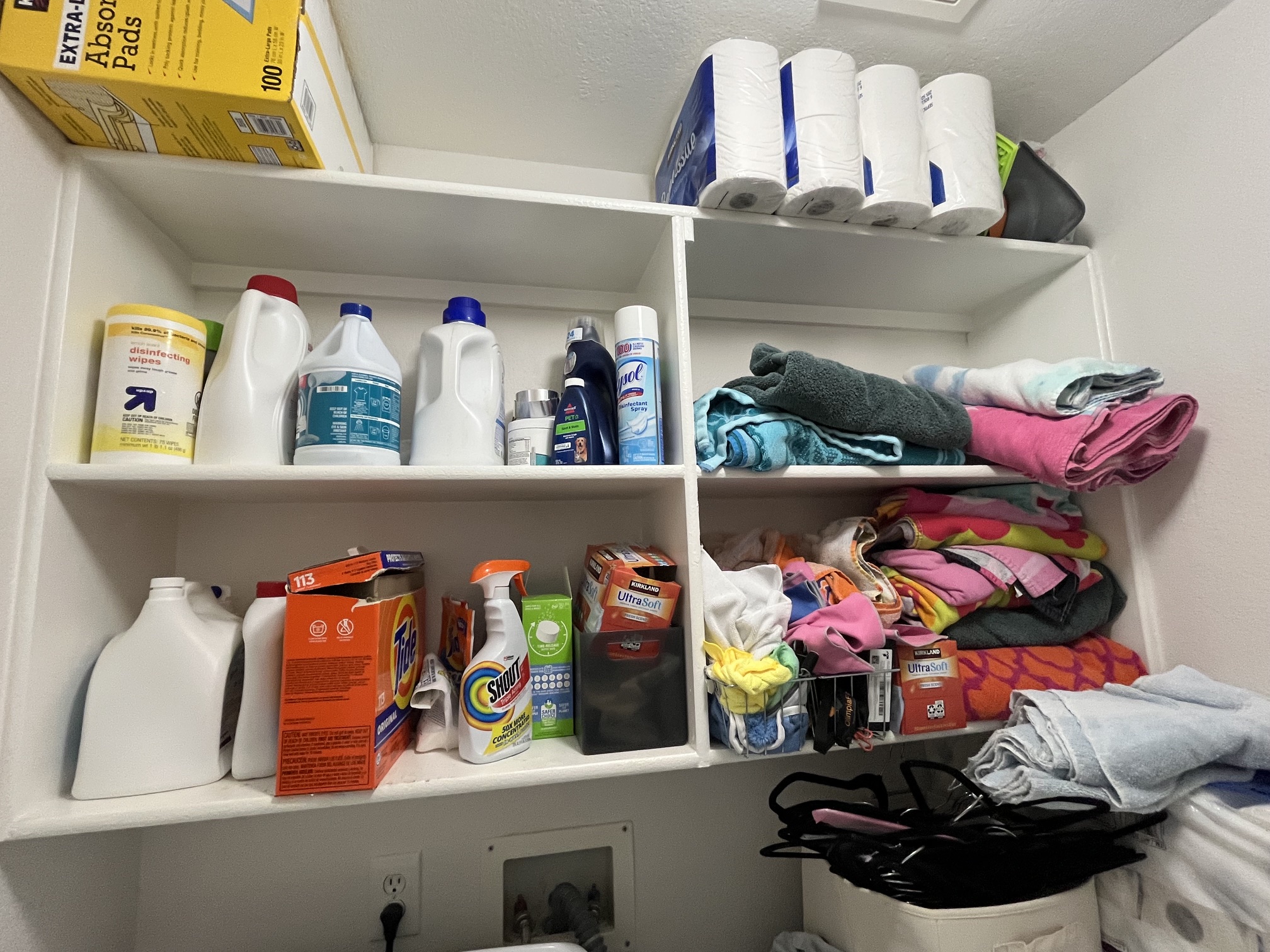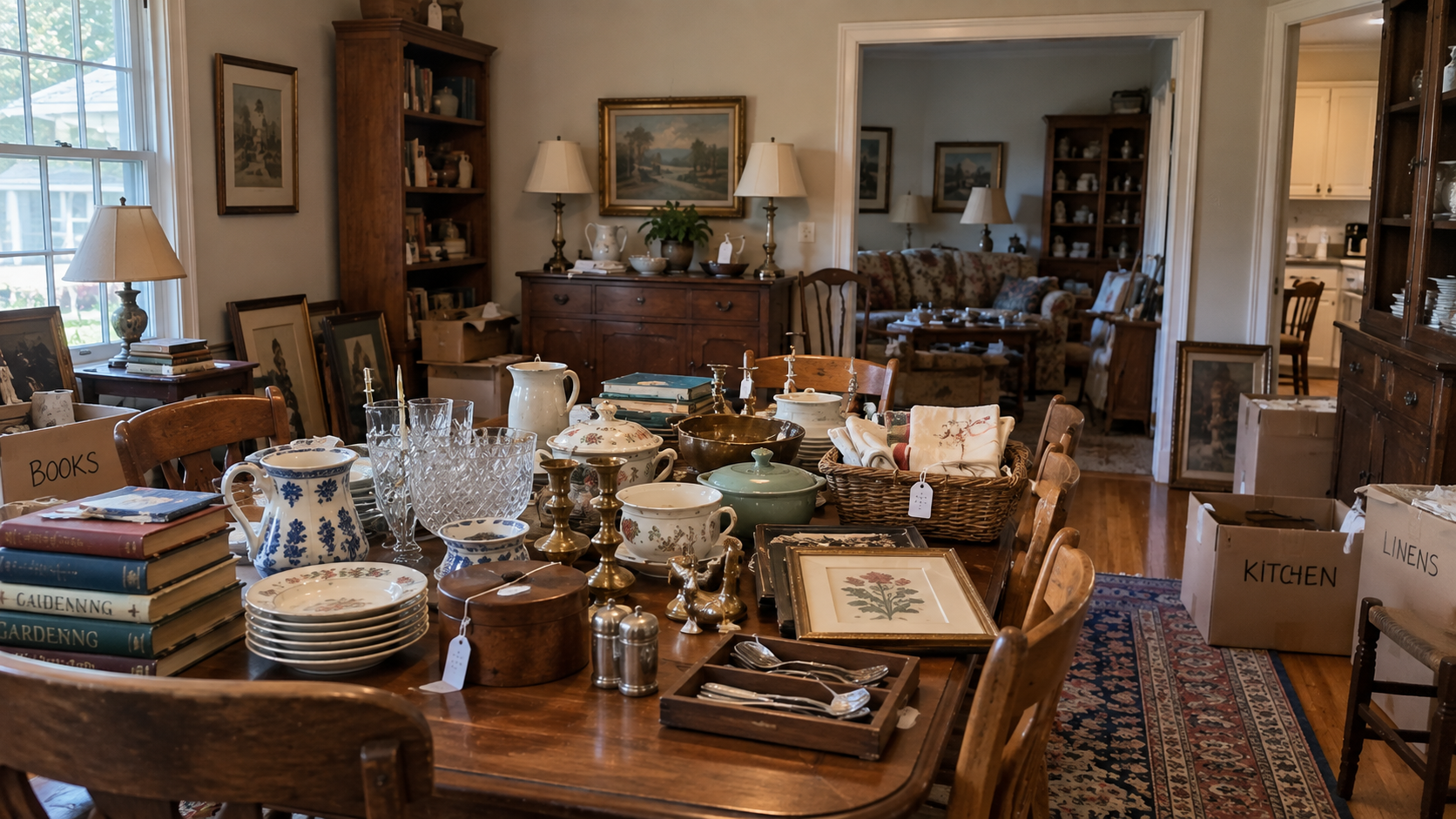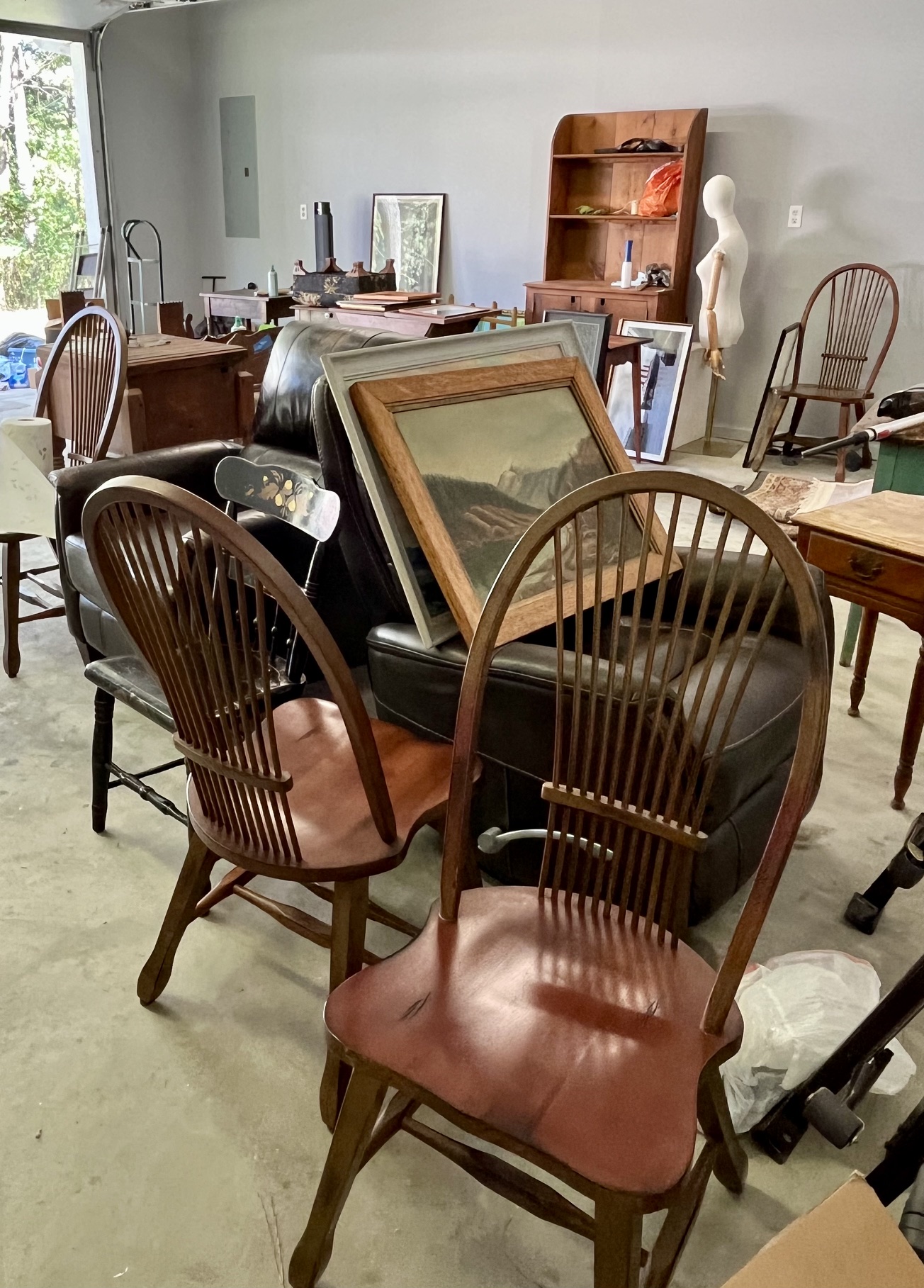

When families begin preparing for an estate sale, downsizing a longtime home, or managing an inherited property, the first instinct is often to start cleaning immediately.
Closets are emptied. Drawers are cleared. Papers are recycled. Old linens are donated. Garage shelves are swept clean. Items that appear ordinary, outdated, worn, or incomplete are often the first things to go.
But before you begin throwing things away, pause.
Some of the most frequently discarded household items may still have resale value, historical interest, practical usefulness, or appeal to collectors. Even items that are not individually valuable can contribute meaningfully to an estate sale when grouped, styled, or sold as part of a larger collection.
The safest approach is simple: allow an estate-sale professional to evaluate the home before beginning a major cleanout.
Value Is Not Always Obvious
It is easy to recognize the potential value of fine furniture, artwork, sterling silver, or a prominently marked antique. The more difficult task is recognizing value in the objects families have lived with for decades.
Everyday household items can become nearly invisible to the people who see them all the time. A crowded kitchen drawer may look like clutter, while a knowledgeable buyer sees vintage utensils, collectible advertising pieces, old cookie cutters, or useful kitchen tools.
The same is true throughout the house. Value may be found in a single object, a group of related items, or the overall character of a collection.
Vintage Kitchenware and Everyday Household Items
Older kitchen cabinets and drawers often contain far more than families expect.
Before discarding kitchen contents, set aside items such as:
- Vintage utensils and kitchen gadgets
- Cast-iron cookware
- Enamelware
- Pyrex, Fire-King, and other vintage glassware
- Cookie cutters and baking molds
- Wooden bowls, cutting boards, and rolling pins
- Vintage linens and aprons
- Old advertising tins and containers
- Barware and serving pieces
- Unusual or discontinued household products
Even modest kitchen items can sell well when presented as useful objects, decorative collections, or nostalgic pieces from another era.
Paper, Photographs, and Ephemera
Paper is one of the easiest categories to throw away too quickly.
Old photographs, postcards, letters, maps, advertisements, catalogs, programs, manuals, receipts, and local-business materials may be of interest to collectors or researchers. Vintage travel brochures, military papers, recipe collections, school memorabilia, and regional history can also have value.
Not every piece of paper should be sold, of course. Sensitive financial, legal, medical, and identifying information should be removed and handled securely. But boxes of older paper should be reviewed before being recycled or discarded.
Clothing, Linens, and Textiles
Closets, cedar chests, trunks, and linen cabinets deserve a careful look.
Older clothing and textiles may include:
- Vintage dresses, coats, and accessories
- Handbags and scarves
- Quilts and coverlets
- Embroidered linens
- Tablecloths and napkins
- Lace and crochet
- Vintage fabric and sewing materials
- Military or workwear pieces
- Costume pieces and unusual garments
Condition matters, but age, construction, pattern, material, and maker can matter too. Even fabric remnants, buttons, trims, and sewing notions may appeal to collectors, artists, and makers.
Garage and Workshop Items
Garages, sheds, barns, and workshops are often cleaned aggressively because their contents appear dirty, rusty, or purely utilitarian.
Before hauling everything away, look for:
- Older hand tools
- Toolboxes, storage cabinets, metal and wooden drawers
- Hardware
- Advertising signs and containers
- Garden tools
- Automotive items
- Fishing and sporting equipment
- Architectural salvage including window panels and cabinet hardware
- Industrial stools, carts, and shelving
- Vintage paint, oil, or product cans with collectible graphics
Wear and patina do not automatically make an object worthless. In some categories, age and evidence of use are exactly what buyers want.
Christmas and Seasonal Décor
Holiday decorations are frequently stored in attics, closets, garages, and basements, where they may be overlooked during the initial walkthrough.
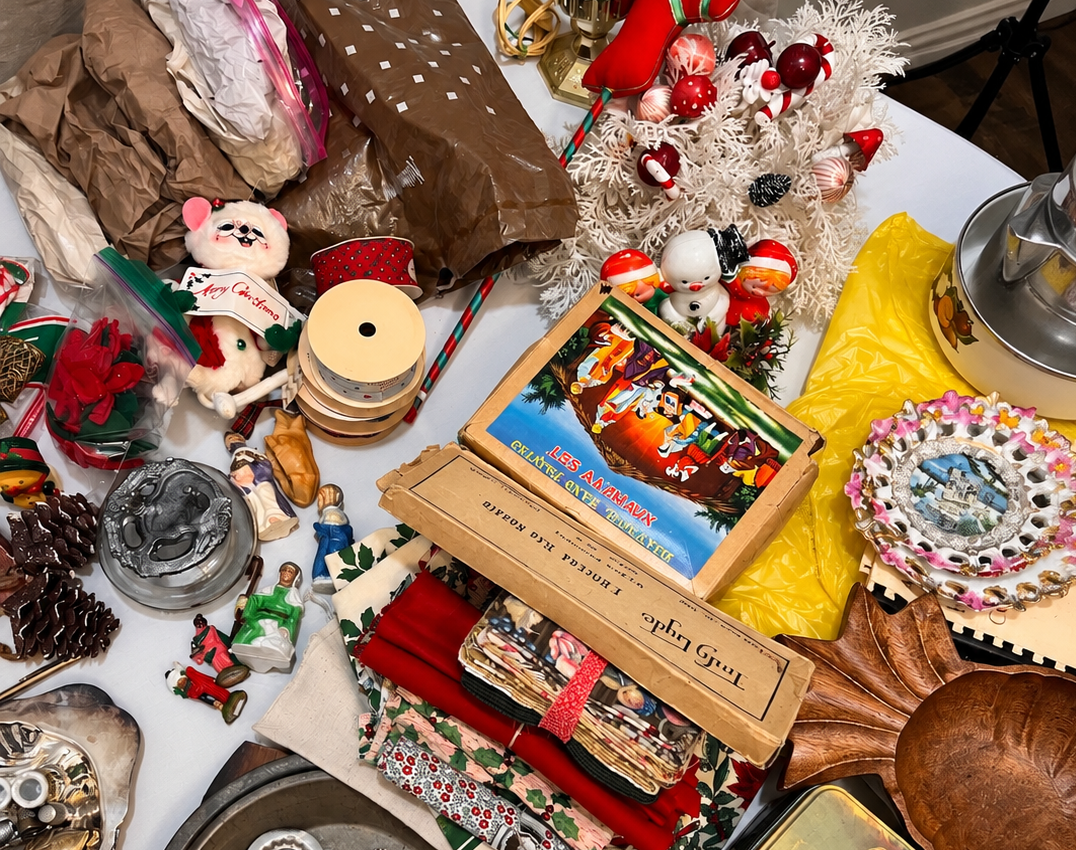
Vintage ornaments, light sets, tree toppers, stockings, candles, figurines, gift wrap, ribbons, garlands, and original boxes can all attract buyers. Even small seasonal items may sell well when grouped into coordinated collections.
Do not assume that old Christmas decorations are too common or too worn to matter. Vintage holiday pieces often carry strong nostalgic appeal.
Holidays such as Easter and Halloween also have serious buyers and collectors.
Costume Jewelry and Small Personal Items
Costume jewelry should be reviewed even when it does not appear to contain precious metals or gemstones.
Signed pieces, unusual designs, older rhinestone jewelry, brooches, charm bracelets, cuff links, watches, compacts, vanity items, and small accessories may be collectible.
These items are also easy to overlook because they may be tucked into dresser drawers, boxes, purses, or sewing baskets. Small objects can sometimes produce surprisingly strong interest when properly identified and displayed.
Books, Records, and Other Media
Not every old book or record is valuable, but these categories should still be evaluated before being donated or discarded.
Potentially interesting materials include:
- First editions and signed books
- Regional and local-history books
- Art, architecture, and design books
- Older cookbooks
- Children’s books
- Maps and atlases
- Vinyl records
- Sheet music
- Photographs and slides
- Unusual manuals or reference materials
Value depends on condition, edition, subject matter, rarity, and buyer demand. A professional can help separate common material from items that deserve additional research.
Should You Clean Everything Before the Consultation?
Generally, no.
You do not need to wash, polish, repair, organize, or stage the contents of the home before an initial estate-sale consultation. In fact, aggressive cleaning can sometimes damage finishes, remove desirable patina, erase markings, or create additional work for the family.
Leave items where they are whenever possible. An experienced estate-sale professional is accustomed to evaluating homes in their everyday condition.
Basic access is helpful, but perfection is not required.
What Should Be Removed Before an Estate-Sale Visit?
Before the consultation, remove or clearly identify:
- Personal documents containing sensitive information
- Medications
- Firearms or other regulated items requiring special handling
- Items family members have definitively chosen to keep
- Photographs or personal objects the family does not want sold
- House keys, vehicle titles, checkbooks, and financial records
If family members are uncertain about an item, leave it in place and ask about it during the evaluation.
It is much easier to remove an item from a future sale than to recover something that was prematurely thrown away or donated.
Planning an Estate Sale or Downsizing a Home?
The early stages of an estate transition can feel overwhelming, particularly when a home contains decades of belongings and memories.
You do not have to determine the value or destination of every object before asking for help.
Parker Place provides thoughtful estate-sale and liquidation solutions for families navigating probate, inherited estates, downsizing, relocation, and major life transitions. Depending on the home and the family’s goals, that may include an in-home estate sale, online auction, consignment, direct purchase, targeted online sales, home-organizing assistance, donation coordination, cleanout support, or a customized combination of services.
Before you begin throwing things away, let us help you determine what may still have value and create a plan for what comes next.