
If you’re preparing to downsize, clear a family home or settle an estate, you may find yourself asking a very reasonable question:
Can I Run My Own Estate Sale Without Professional Help?
The answer is yes.
Families hold their own estate sales every week, and for some households, a privately run sale can make perfect sense. But there is a big difference between being able to hold an estate sale and deciding whether doing it yourself is the best option for your particular situation.
An estate sale is much more than opening the doors for a weekend and putting price stickers on furniture. Before deciding between a DIY sale and hiring an estate sale company, it helps to understand the time, work, pricing knowledge and logistics involved.
How Much Time Does an Estate Sale Take?
The public portion of an estate sale may last only two or three days. Preparing for it can take considerably longer.
Before the first shopper walks through the door, someone has to sort through the contents of the home, determine what will be sold, organize and stage merchandise, research unfamiliar items, price hundreds, or sometimes thousands, of individual pieces, photograph the sale and advertise it.
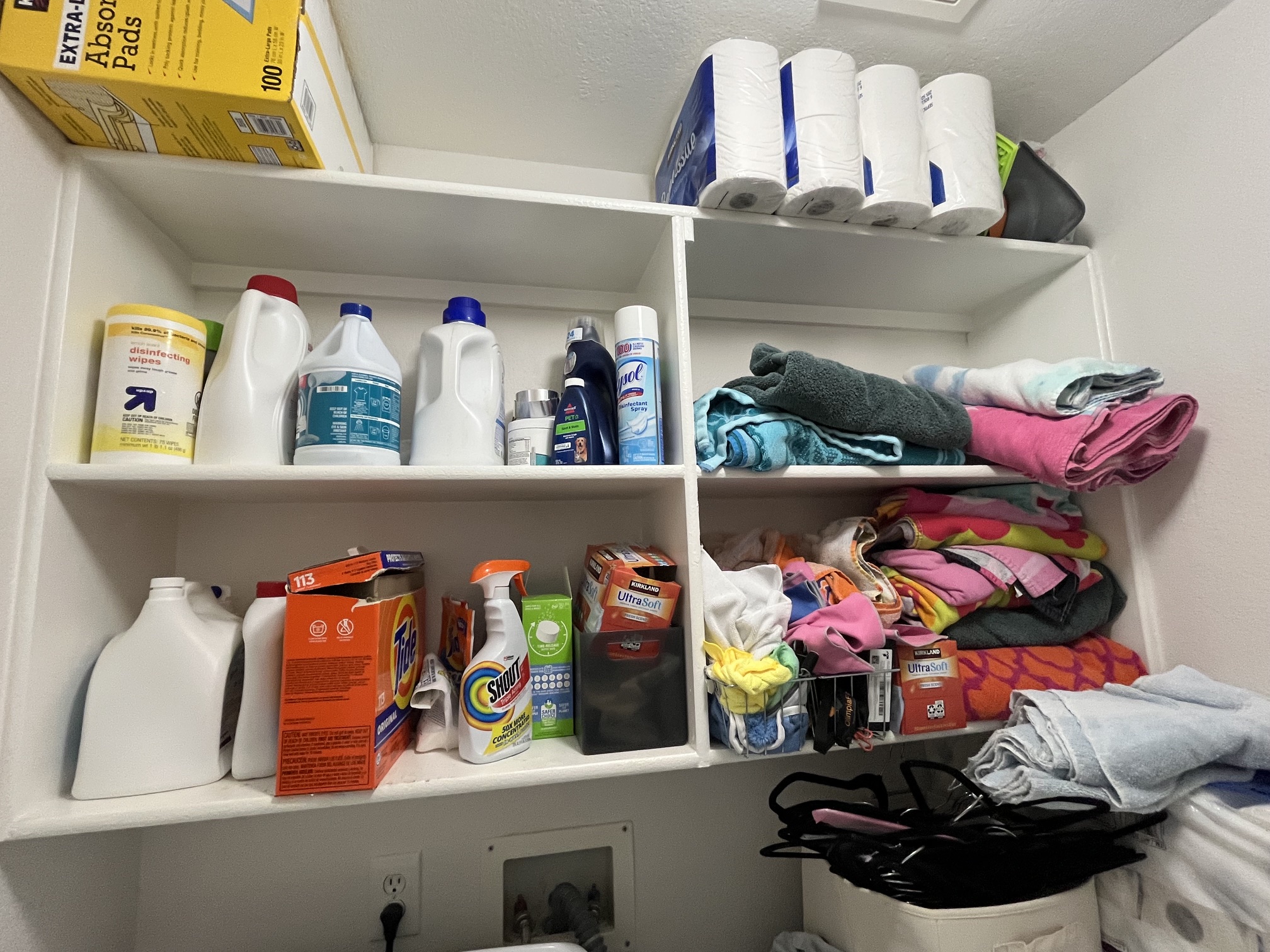
There are also practical details to consider. Tables may need to be set up. Cabinets and closets need to be emptied. Personal documents, medications and family photographs must be removed. Areas that are not part of the sale need to be secured.
And once the sale begins, the work isn’t over.
Someone needs to manage shoppers, answer questions, negotiate prices, handle payments, monitor the home and coordinate pickup of larger purchases. Afterward, there may still be unsold merchandise, donations and cleanout to address.
For a family already dealing with a move, a parent’s estate or the sale of a home, that time commitment can become one of the biggest considerations.
Can You Accurately Price an Entire Household?
Pricing is one of the most challenging parts of running an estate sale because no one is an expert in everything found inside a home.
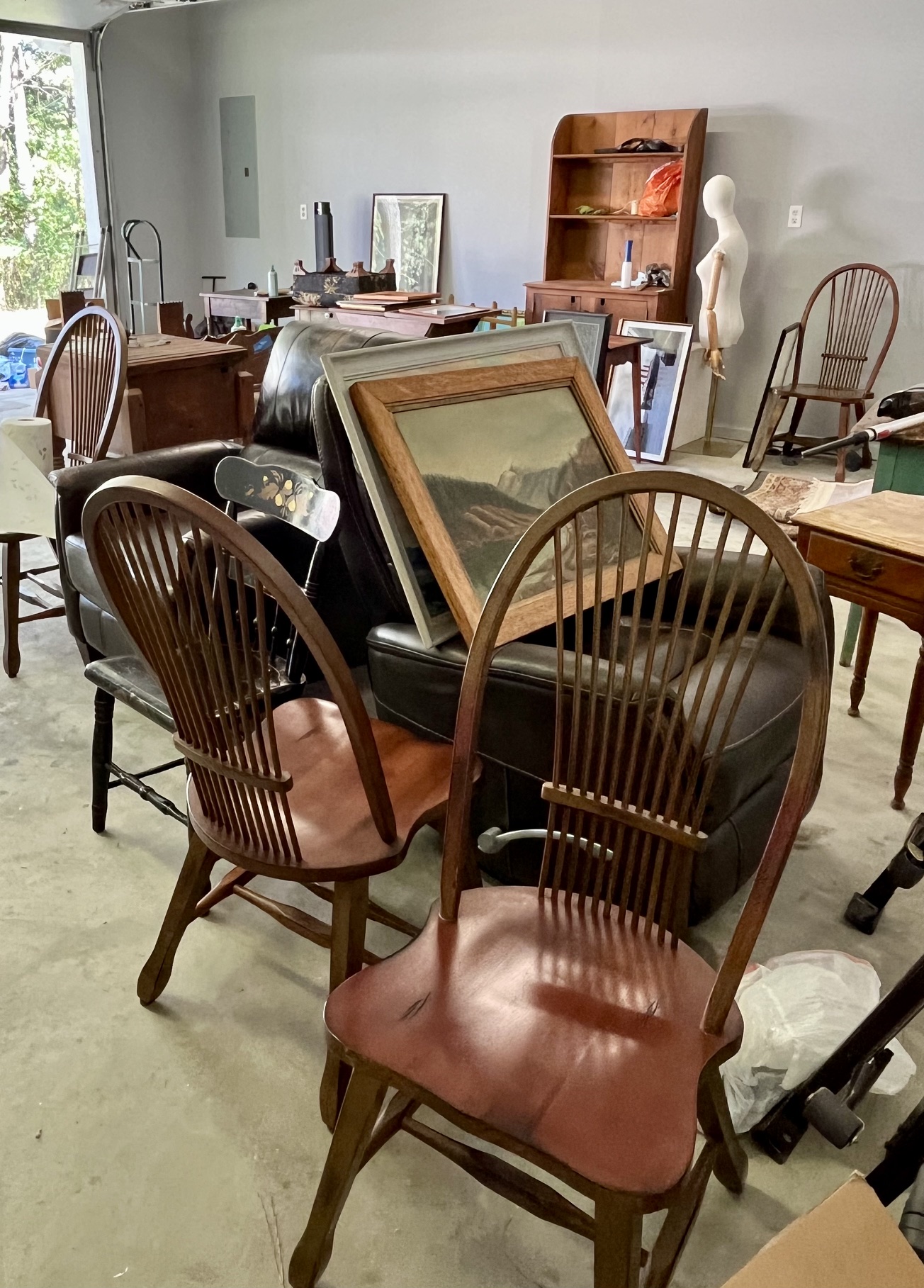
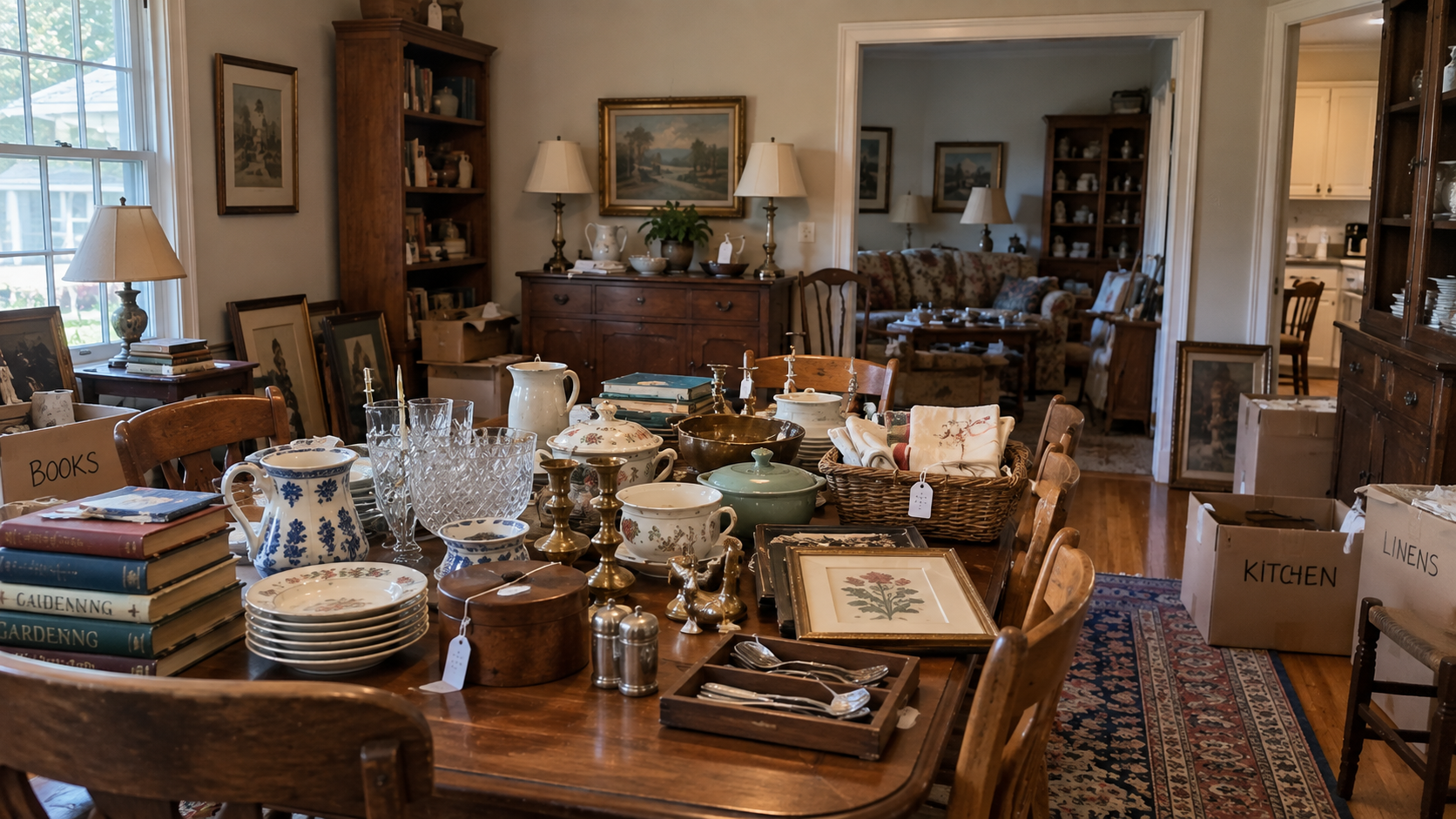
A single estate might contain antique furniture, sterling silver, vintage kitchenware, costume jewelry, power tools, china, books, linens, Christmas decorations, lawn equipment and ordinary household goods.

Some things that look valuable aren’t.
Some things that look ordinary are.
And pricing mistakes work in both directions.
Price something too low and value can walk out the door before you realize what you had. Price too aggressively and buyers may leave without purchasing, creating a different problem at the end of the sale: a house still full of merchandise.
Good estate-sale pricing isn’t necessarily about finding the highest online asking price for an object. It is about understanding what an item is, its condition, what comparable pieces actually sell for and what price makes sense within an estate-sale environment.
That breadth of knowledge is one reason our background at Parker Place matters. We are a third-generation antiques business, and identifying, researching and selling unusual household contents is a major part of what we do.
Before You Start Sorting, Be Careful What You Throw Away
One of the most common mistakes happens before the sale is even planned.
Families naturally begin cleaning. Old papers go into trash bags. Kitchen drawers are emptied. Garage shelves get cleared. Things that appear outdated, worn or insignificant are discarded.
Unfortunately, those aren’t always the things an estate sale professional, or a collector, would choose to throw away.
Vintage kitchen tools, old hardware, advertising pieces, costume jewelry, pottery, Christmas decorations, linens, records and seemingly ordinary objects can all have buyers.
We wrote an entire guide about what not to throw away before an estate sale for exactly this reason.
When possible, it is better to identify what you have before making major disposal decisions.

How Will Buyers Find Your Estate Sale?
A successful sale needs shoppers.
Private sellers today have more ways to advertise than ever before. Estate-sale listing websites, Facebook, community groups, social media and traditional directional signage can all help get the word out.
But marketing a sale also requires work.
Good photographs matter. So do accurate descriptions, dates, times, directions and enough advance promotion for shoppers to make plans.
There is also a difference between generating views and attracting people who regularly attend estate sales and are prepared to buy.
Established estate sale companies often invest considerable time in building relationships with repeat shoppers, collectors, dealers and online buyers. That audience can be particularly important when an estate contains specialized or higher-value merchandise.
For families running their own sale, it’s worth thinking about the marketing plan before spending days preparing the house.
Are You Comfortable Having Shoppers Inside the Home?
This is an easy part of the process to overlook.
An estate sale can put a surprising number of people inside a house at the same time.
Someone needs to manage the entrance, watch merchandise, answer questions and run checkout. Depending on the size of the home, additional people may be needed in different rooms.
You’ll also need policies for things such as holding merchandise, marking large pieces sold, arranging furniture pickup and deciding when, or whether, to negotiate.
And there will be negotiation.
Estate-sale shoppers are accustomed to asking about discounts, especially as a sale progresses. Deciding your discount schedule in advance can make those conversations much easier.
If you run the sale yourself, plan to have several reliable people available rather than trying to manage the entire house alone.

What Does It Cost to Hire an Estate Sale Company?
This is often the deciding question.
Estate sale companies commonly work on commission, meaning the company receives an agreed-upon percentage of the proceeds from the sale rather than simply charging an hourly rate.
There is no universal estate sale commission. Published rates and structures vary, and the appropriate percentage can depend on the size and value of the estate, the amount of labor involved and the services included.
That makes it important to look beyond the percentage itself.
For example, ask whether the company’s commission includes:
- Research and pricing
- Organization and staging
- Photography and advertising
- Staffing during the sale
- Payment processing
- Post-sale reconciliation
- Donation coordination or cleanout assistance
Some companies include services that others charge for separately. Some estates also require significantly more labor than others.
Most importantly, the lowest commission doesn’t automatically mean the family will receive the most money.
Imagine one company charges a lower percentage but prices merchandise poorly, attracts fewer buyers or leaves substantial amounts unsold. Another charges a higher percentage but generates stronger overall sales.
What ultimately matters to the family is what they receive at the end and what services were provided to get there, not simply the percentage printed in the contract.
When interviewing an estate sale company, ask exactly what the commission covers and whether there are any additional fees.
When Does Running Your Own Estate Sale Make Sense?
For some families, DIY can be a perfectly reasonable choice.
A privately run sale may work particularly well when the amount of merchandise is manageable, family members have plenty of time to prepare, several reliable people are available to work the sale and someone is comfortable researching and pricing unfamiliar items.
It can also make sense when maintaining complete control over the process is particularly important to the family.
The key is going into it knowing that you aren’t simply committing to a weekend sale. You’re taking responsibility for the entire process from the first box you open through whatever remains after the last customer leaves.
When Should You Consider Hiring an Estate Sale Company?
Professional help becomes more valuable as the complexity of the estate increases.
A full household, a tight timeline, valuable or unfamiliar collections, significant cleanout needs or family members living out of state can quickly turn a manageable project into an enormous one.
There is also an emotional component that shouldn’t be overlooked.
Sorting through decades of a parent’s or loved one’s belongings is different from organizing ordinary household clutter. Every drawer can contain something that prompts a memory or another decision.
Sometimes the deciding factor isn’t:
“Could we do this ourselves?”
It’s:
“Is this how we want to spend our time right now?”
Those are two very different questions.
There Isn’t One Right Answer
Some Central Alabama families can successfully run their own estate sales. Others begin looking at the amount of sorting, research, pricing, staging, advertising and physical work involved and decide they’d rather have someone manage it for them.
Before making the decision, look at the entire project rather than the commission percentage alone.
Consider how much time you have, how much needs to be sold, whether you know what you’re looking at, how you’ll attract buyers, who will staff the sale and what needs to happen to the home when the sale is finished.
And if you’re not sure which approach makes sense, you don’t have to know before making the first phone call.
Parker Place Estate Sales & Noteworthy Finds helps families throughout Central Alabama evaluate estate contents and determine the best path forward. Whether you’re preparing for a move, downsizing a longtime home or managing a family estate, contact Parker Place to start a conversation about the home, the contents and your timeline.
Serving Jefferson County, Walker County and surrounding Central Alabama communities.